Hydraulic pumps and motors are fundamental components of hydraulic equipment. While pumps provide the flow required to operate a hydraulic system, hydraulic motors convert hydraulic energy into mechanical rotation. Their condition has a direct impact on equipment performance, efficiency and reliability. Understanding their function and maintenance requirements can help businesses make better decisions about hydraulic equipment servicing.
What Does A Hydraulic Pump Do?
A hydraulic pump converts mechanical energy into hydraulic energy by creating fluid flow within the system. The resulting flow supplies hydraulic components such as cylinders, valves and motors.
Different equipment applications require different pump designs and specifications. Selecting a suitable pump depends on factors such as flow rate, pressure, operating conditions and equipment requirements.
Understanding Hydraulic Motors
Hydraulic motors perform the opposite energy conversion. They receive pressurized hydraulic fluid and convert it into mechanical rotational movement.
They are commonly used in equipment requiring controlled rotational power, including industrial machinery, mobile equipment and various specialized hydraulic applications.
Common Signs Of Pump Or Motor Problems
Reduced performance, unusual noise, excessive heat, vibration, leakage and inconsistent operation can indicate potential pump or motor problems. In some cases, contamination or worn internal components may be responsible.
Ignoring these symptoms can lead to further component damage and reduced equipment efficiency. Early inspection can help identify the cause and determine the appropriate repair or servicing requirements.
Pump And Motor Servicing
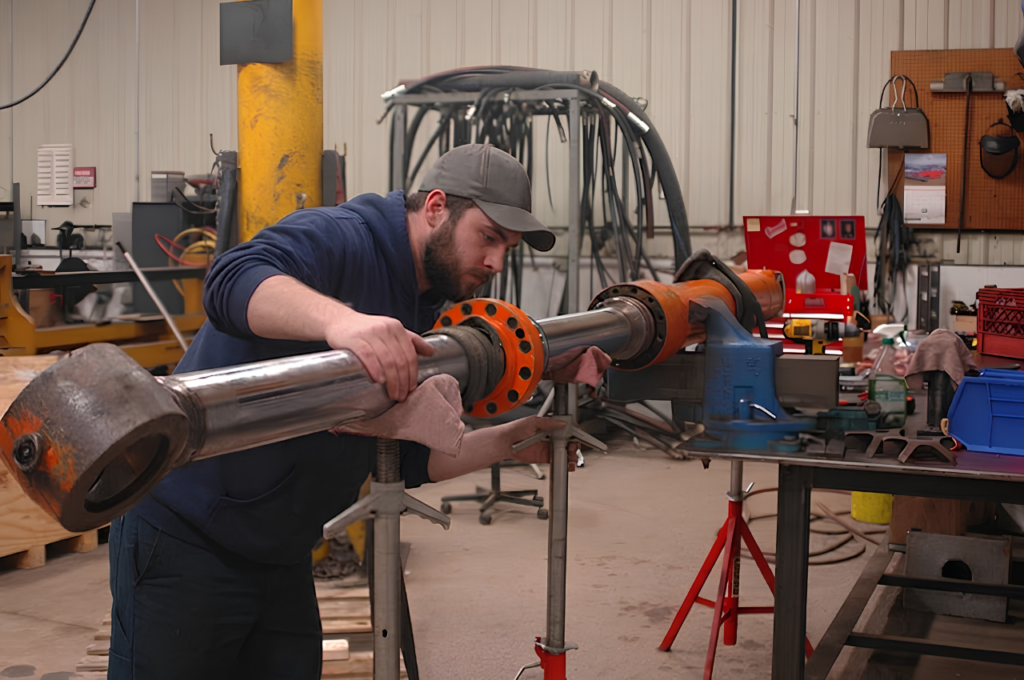
Professional servicing may include cleaning, inspection, machining, component refurbishment, balancing, coating, seal sleeve manufacturing and assembly. Depending on the application, pressure testing may also be performed to verify the completed work.
Proper servicing should be based on the condition of the component and the operating requirements of the equipment.
Why Professional Testing Is Important
Testing provides an opportunity to assess component performance after servicing or repair. Pressure testing and other appropriate checks can help identify issues before the component returns to demanding operating conditions.
Professional inspection and testing can therefore contribute to more reliable equipment operation and help reduce unexpected failures.
Conclusion
Hydraulic pumps and motors play a critical role in many industrial and mobile systems. Regular inspection, professional servicing and appropriate testing can help maintain their performance and extend component life. When problems occur, timely technical assessment can help determine whether repair, refurbishment or replacement is the most suitable solution.