Hydraulic systems are widely used across industrial, marine, construction and mobile equipment because they provide powerful and controlled movement. However, even a well-designed hydraulic system can experience performance problems without proper maintenance. Regular inspections and timely servicing can help identify potential failures, maintain system efficiency and reduce unnecessary equipment downtime.
Why Hydraulic System Maintenance Matters
Hydraulic systems contain pumps, motors, cylinders, valves, hoses, accumulators and other components that must work together correctly. A problem with one component can affect the performance of the entire system.
Regular maintenance helps detect leaks, pressure problems, contamination and component wear before they develop into more serious failures.
Hydraulic Oil And Contamination
Clean hydraulic fluid is essential for reliable system operation. Dirt, moisture, metal particles and other contaminants can damage sensitive components and reduce system efficiency.
Regularly checking hydraulic oil condition, filters and reservoirs can help reduce contamination-related problems. Maintaining appropriate fluid levels and using suitable hydraulic fluids are also important for system performance.
Inspecting Hoses, Connections And Components
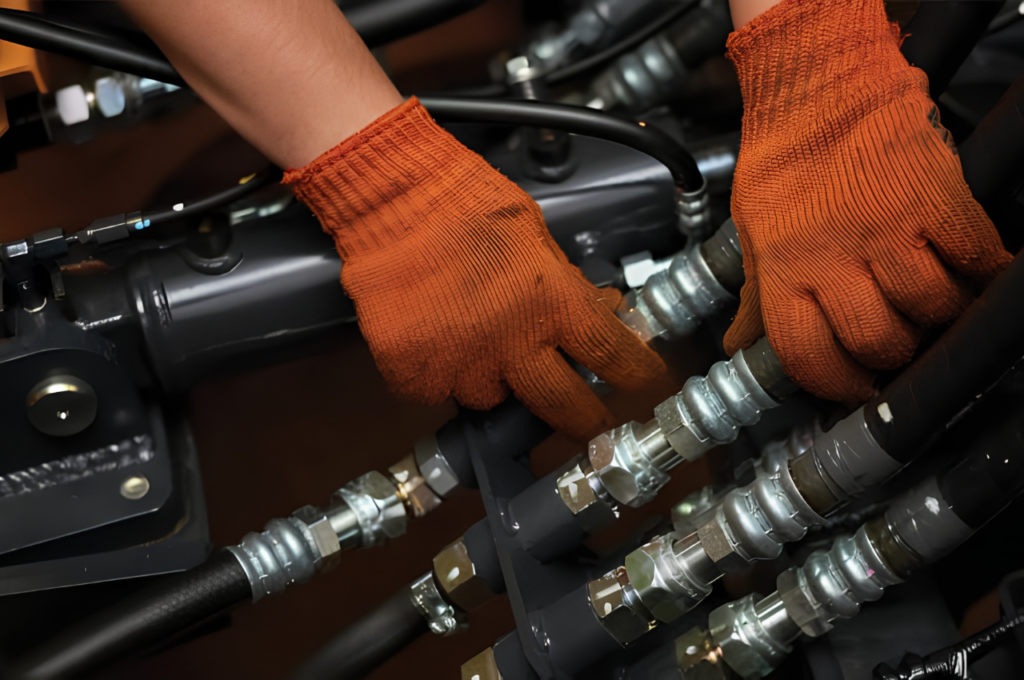
Hydraulic hoses and fittings operate under significant pressure and should be inspected regularly. Cracks, abrasion, bulging, leakage or damaged fittings can indicate that replacement or repair may be required.
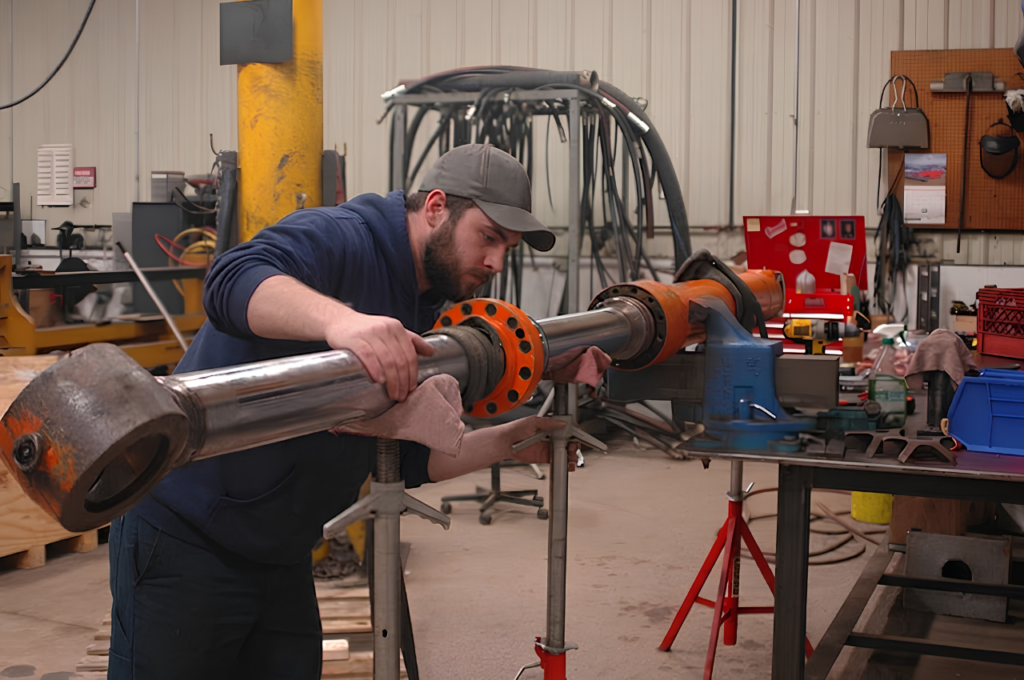
Cylinders, pumps, motors and valves should also be monitored for unusual noise, heat, vibration or reduced performance. Early detection can prevent a small issue from becoming a major equipment failure.
The Importance Of Preventive Maintenance
Preventive maintenance allows equipment owners to address wear and developing faults before unexpected breakdowns occur. Depending on the application, maintenance may include component inspection, hydraulic oil checks, hose replacement, accumulator servicing and system testing.
A planned maintenance approach can help improve equipment availability and support more predictable operating costs.
When On-Site Hydraulic Support Is Useful
Transporting large or fixed equipment to a workshop is not always practical. On-site hydraulic services can provide repair, troubleshooting and maintenance support directly at the customer’s location.
Mobile hydraulic hose services can also help address hose failures quickly, reducing the time equipment remains out of operation.
Conclusion
Effective hydraulic system maintenance is an important part of reliable equipment management. Regular inspections, clean hydraulic fluid, preventive servicing and timely repairs can help reduce failures and maintain system performance. For demanding industrial and mobile applications, professional hydraulic support can provide valuable assistance in keeping equipment operating efficiently.